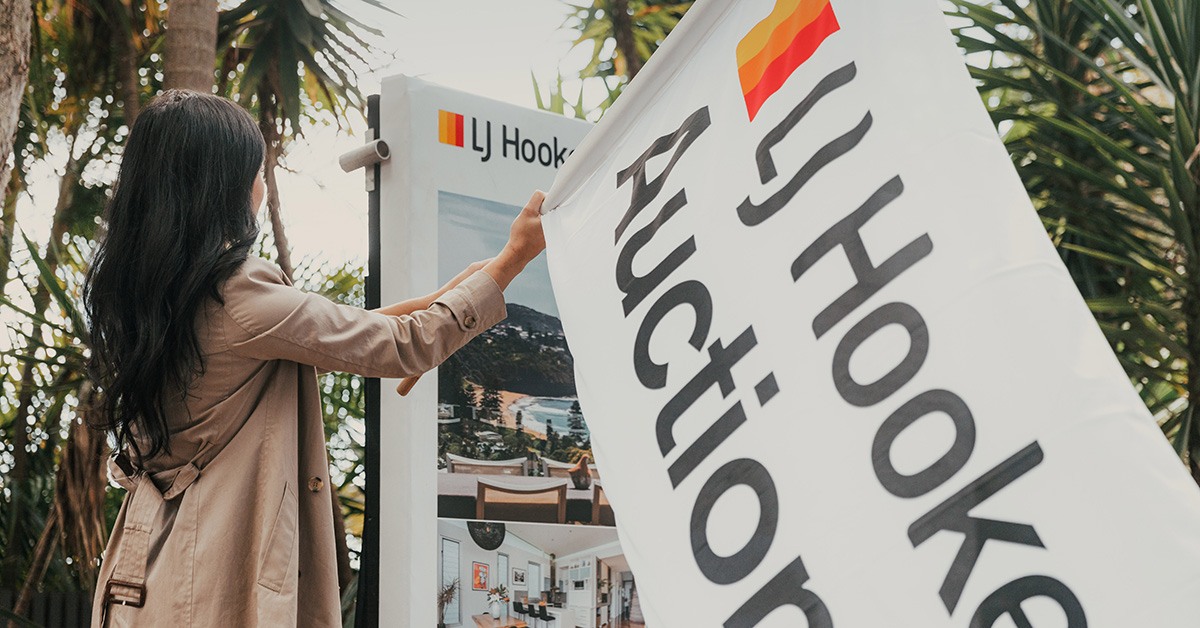
Private Sale vs Auction: What’s Best for You?

Deciding to list your home on the market is a big decision, but it is quickly followed by another important one, and that is just how you are going to sell it.
There are three main options to consider: an auction, a private treaty sale or an Expression of Interest (EOI) campaign. Choosing the right one depends on whether you need to sell quickly, which method is popular in your suburb and market conditions. Selecting the right strategy requires research, expert advice and monitoring what is happening in your local area.
What's the difference between auction and private treaty?
Understanding the different ways of selling property enables vendors to move forward with confidence. It is important to take the time to understand each process and its advantages. Let’s take a quick overview of these methods of sale.
Private treaty
During a private treaty sale, a property is listed for sale with or without a price guide, depending on where you live and the sales strategy. There is no set length of time the property can be marketed, although six weeks is standard. The agent will conduct open inspections and will negotiate individually with prospective buyers who will submit an offer. Counteroffers are likely during this process until an agreed price is reached. Once an offer is accepted, contracts are exchanged and the buyer pays a deposit of usually 10 per cent. Generally, there is a cooling-off period before settlement day, although the duration varies by state or territory regulations.
Auction sale
An auction campaign typically runs for four weeks with a set deadline. Interested buyers inspect the property, organise their finances, have the contract of sale checked and may carry out pest and building inspections. Bidders need to register with the selling agent before making an offer under the hammer. The auctioneer invites bids until the property reaches its ‘reserve price’, the minimum price the seller is willing to accept. Once reached, the property is declared ‘on the market ’, which means it will sell. Final bids continue until the gavel falls and the property is sold unconditionally. A 10 per cent deposit is usually required, with settlement generally taking four to six weeks. If passed-in, the agent negotiates with the highest bidders.
Pros and cons of selling at auction
Auctions are considered the most transparent method to sell a home. It reflects what is happening in real time and its true market value. The sale is also unconditional, which means there is no cooling-off period and that the buyer is legally obliged to purchase the property.
House hunters will often prioritise a property they know is earmarked to sell by a deadline. So, the advantage of an auction campaign is that it helps a property jump the queue and be seen before other listings.
The auction process allows agents and vendors to identify the price much more quickly. If a guide is right and solid interest is building, the property starts to go up in value rather than down.
The process gives vendors three chances to sell their home – before the auction, on the day of the auction and after the auction. An attractive early offer can be accepted, or if there is likely to be strong competition, they may opt to hold out until their scheduled auction date. But a shorter time frame means serious buyers may need more time to organise their finances and, as a result, may be unable to participate in the bidding.
On auction day, buyers can see the competition, and there are no lengthy, drawn-out negotiations behind closed doors. If bidding is slightly below expectations, but there have been four solid weeks of marketing and inspections, there is a chance the seller will do a deal.
Vendors can also expect additional expenses, such as hiring an auctioneer, which ranges from $400 to $1000 per day. Marketing may also be more expensive due to the need for a high-impact campaign.
Pros and cons of selling by private treaty
Most buyers are familiar with private treaty sales so may feel more comfortable with this method of sale.
The agent and vendor will review comparable sales to determine a guide. It tends to be on the upper end of expectations as they don’t want to undersell the property. A fixed price can also make it easier for buyers as they don’t have to guess the vendors’ expectations. However, if the guide is too high, it will reduce buyer interest. Your agent may suggest an adjustment based on feedback from qualified buyers and local market conditions.
Private treaty sales may be a more popular way to sell in some suburbs, and even in some states and territories. If this is the case, then it is often a good idea to stick with what is familiar to buyers. It offers flexibility, allowing agents to negotiate directly with buyers and accept an offer at any time.
When a home is listed for private treaty sale, there is often excitement at the start of the campaign, but this can disappear if the property stays on the market beyond its third or fourth week. Without a deadline, the process can drag on, as there is no urgency for buyers to act. It can take longer than an auction campaign to find the right buyer. Longer negotiations can be time-consuming and stressful for a vendor who has purchased elsewhere or needs to sell quickly.
Auction costs vs private sale costs
It is important to understand all the costs involved in selling a property and how they fit within your budget. While there are some obvious ones, such as an agent’s commission, there are some you may not have considered.
Both auction and private treaty sales share some similar costs, such as engaging a lawyer or property conveyancer to ensure your real estate contract is drawn up accurately.
Your agent may recommend decluttering or property styling to ensure your home is looking at its best. While this may sound like an added expense, when done correctly, it can add an extra 5 to 10 per cent to the final sale price.
Both an auction and a private treaty campaign also require funds for marketing, such as professional photography, floor plans, copywriting, signboards and brochures. There is also a cost to digitally advertise your property on real estate portals. Allow around one per cent of the asking price for marketing.
An auction campaign may come with higher marketing fees as it is important to reach as many potential purchasers as possible in the shortest time possible. In addition, there is the cost of hiring an auctioneer.
How to sell at auction: step-by-step guide
Selling your home at auction can be an effective way to create strong competition among buyers and achieve the best possible price for your property.
Understanding how the process works can help you to plan and make informed decisions along the way. This starts with getting a property appraisal, researching your local market and working out an end price you need to achieve to move on to your next home.
Importantly, you need a professional real estate agent experienced in auctions to work alongside you throughout the process for the best possible outcome. This includes:
-
Reviewing recent comparable sales
-
Setting a reserve price strategically based on buyer feedback
-
Building a strong marketing campaign
-
Creating buyer competition before auction day
-
Understanding the auction day process
-
Preparing for post-auction negotiation if passed in
You can find out further information by downloading LJ Hooker’s Selling By Auction Guide.
Auction day checklist for sellers
The countdown to auction day can be an exciting and nervous wait. There are likely to be a lot of people coming through the property for one final look before it goes under the hammer, so it is key to maintain the styling and keep it looking in tip-top shape.
Agents don’t own a crystal ball and won’t know exactly how the auction will unfold, but they should have a good idea based on buyer feedback. Positive signs your home is likely to sell under the hammer include strong attendance at open homes, repeat visits from potential buyers, contract requests, pest/building reports and any early offers.
Here are a few things that you will need to do ahead of the auction:
-
Confirm reserve price
-
Discuss bidding strategy with agent
-
Understand vendor bids
-
If the auction is on-site, find a suitable area for proceedings
-
Inform your neighbours of the auction
-
Decide where you are going to wait
-
Prepare emotionally for the property to sell
-
Plan for a passed-in scenario
Your local LJ Hooker is invaluable when it comes to organising and managing your auction. You can find more details on what to expect on auction day here.
What happens if your property is passed in?
While you may want to have champagne on ice ready for a post-auction celebration, you also need to consider several scenarios, such as extended negotiations and the possibility that it may not sell.
Your agent will alert you ahead of the auction if there is no interest in the property or if a pivot to a private treaty strategy is needed. They may suggest postponing the auction to give interested parties more time to organise their finances.
If the auction goes ahead but bidding does not reach the reserve price, the auctioneer will pause the proceedings, and your agent will check whether you are willing to adjust your expectations. If not, it will be announced that the property has ‘passed-in'.
It may feel very stressful, but it is not a disaster. Your agent will act as a mediator and negotiate with the highest bidder to secure a deal. It is not unusual for a property to sell shortly afterwards on the same day.
Remember, there are three ways to sell a property at auction – before, on the day of the auction and afterwards.
Which selling method is best for you?
There is no single way to sell a home that is right for everyone; it depends on many factors, including its location.
The two most common methods in Australia are auction and private treaty. Choosing which one can depend on the type of dwelling, who is likely to purchase it and how quickly you need to move.
Once you’ve decided to sell, take the time to research comparable sales in your suburb and see not only what price they have reached but also how it was achieved. Your local LJ Hooker agent can also be a wonderful resource, providing market insights and creating a successful sales strategy.
Properties located in high-demand areas, such as the CBD or inner-city suburbs where auctions are more common, are more suitable for an under-the-hammer sale. Freestanding homes in popular areas with strong demand, particularly those with heritage features or a unique view, can create the right level of competition for a successful auction campaign. They can evoke an emotional response and a sense of urgency in potential buyers who won’t want to miss out on raising their auction paddle and putting forward their best offer.
An auction can also be a good strategy if you have already purchased elsewhere and are keen to get a deal done to avoid bridging finance. Or perhaps you need to move interstate for work or are keen to relocate your family before the start of the school year.
Vendors who want greater control over the sale of their property and more time to consider all offers may be more comfortable with a private treaty sale. It is suitable if there isn’t a rush to close a deal. It is important to know your numbers, such as reviewing recent comparable private treaty sales, days on market and vendor discounting in your area. Be prepared for counteroffers to go back and forth on price and terms, which your local LJ Hooker agent can facilitate. You can find out more here.
Does it depend on your state?
Australia’s housing shortage has led to a rise in the popularity of auctions across a range of prices over the past decade. Traditionally, this method of sale has been prevalent in Sydney and Melbourne, which are considered the biggest auction markets. There has been some pick-up in Canberra, Brisbane and Adelaide; however, auctions are not as common in Perth, Darwin or Hobart.
Auctions can be an effective selling strategy in a strong sellers’ market with high demand and limited supply, creating the right conditions for competitive bidding. A decline in auction volumes can indicate softer market conditions.
More recently, lower clearance rates have led many vendors to opt for a private treaty sale or an off-market sale to gauge buyer interest before launching a full marketing campaign.
Is there any other method of sale?
An Expression of Interest (EOI) campaign combines the benefits of a private treaty campaign with all the urgency of an auction. The property is listed with a set deadline and no price guide. The marketing campaign typically runs for four to six weeks. Unlike at a traditional auction, where bids are public, buyers must submit their best and final offer in writing directly to the real estate agent. It should also include preferred settlement dates, finance conditions and any inclusions or exclusions. If no acceptable offer is made, the property can be listed for sale by private treaty. Speak with your LJ Hooker agent about whether this style of campaign is right for your property.